Use an AirTrack and avoid injuries | 6 TIPS for beginners
How to avoid getting injured while practicing acrobatics?
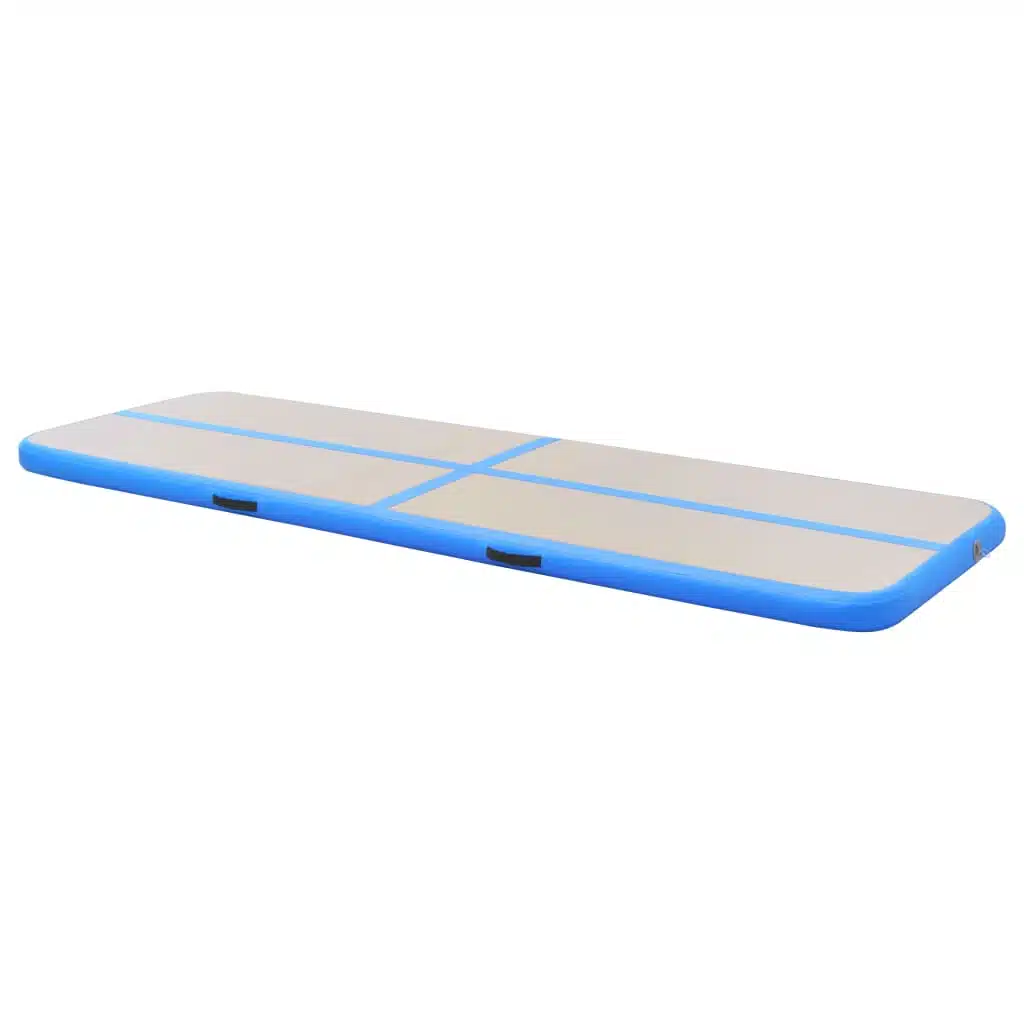
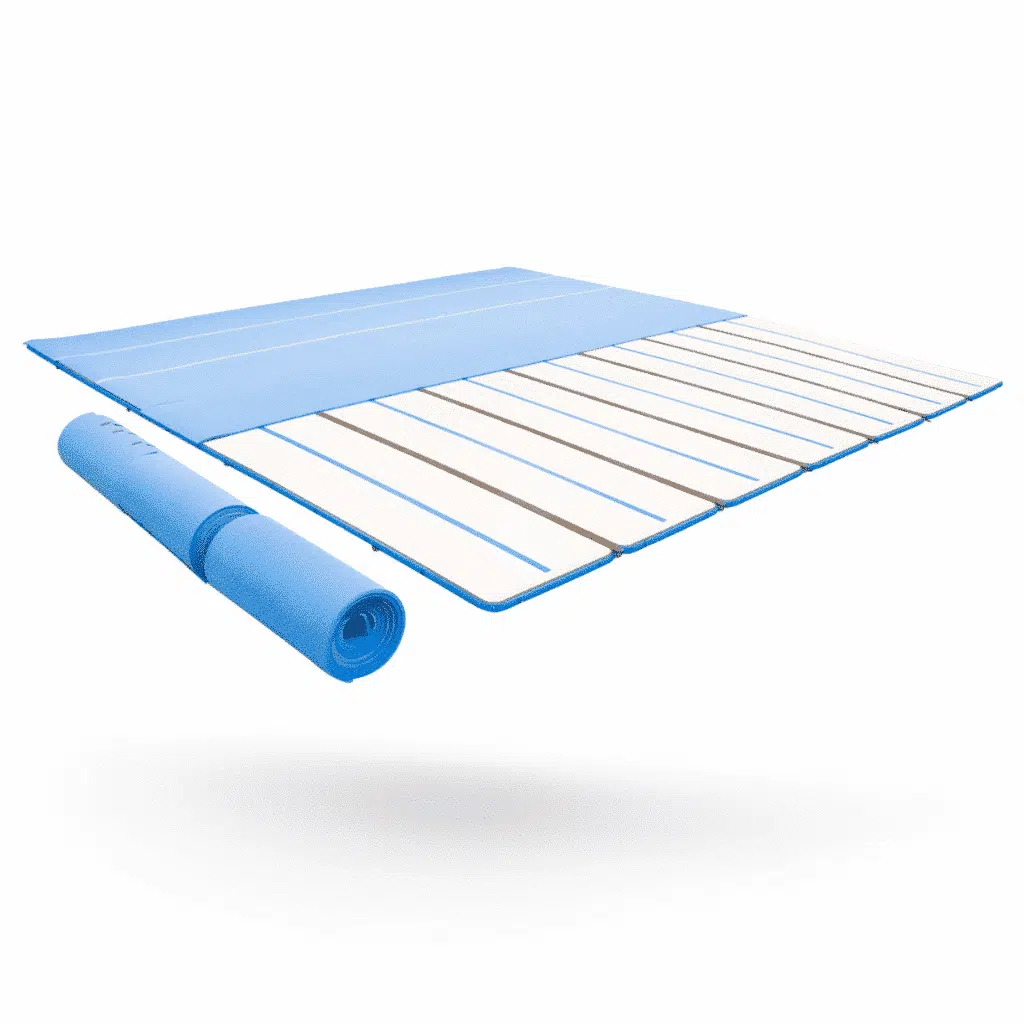
Acrobatics is an exciting and challenging sport that requires skill, strength, and agility. If you are an acrobatics practitioner, it is important to take measures to avoid injuries while performing your training. One of the most useful tools for preventing injuries is an AirTrack, an inflatable surface that offers greater safety by cushioning impacts In this blog, we will talk about how to avoid injuries while practicing acrobatics using an AirTrack, specifically our AirTrack Pro Edition FLYOUT.
“Parche Tear Aid Tipo B – Kit de reparación invisible y premium para AirTrack” has been added to your cart. View cart
Before starting any acrobatics training or practice, it is essential to do a proper warm-up to prepare your body for physical exercise. Perform stretching exercises to improve flexibility and increase blood circulation to the muscles. In addition, do some warm-up exercises such as jumping rope, running, or doing squats. It is important to dedicate at least 15 minutes to warm-up to avoid injuries.
2. Practice in a safe environment
Make sure you have enough space free of objects and obstacles that may interfere with your acrobatics practice. Also, check that the floor where you will perform your movements is level and safe. Avoid practicing on slippery or irregular surfaces. In this sense, our AirTrack PRO Edition is an excellent option for acrobatics practice, as it offers a stable and non-slip surface (avoid using it in humid environments) that will help you maintain the safety you need to practice.
Don’t buy your next AirTrack lightly. This is what we talked about in our last blog: Which is the best AirTrack? Where we explained why the AirTrack Pro Edition has more advantages than the AirTrack Classic and Home.
3. Use the right equipment
It is important to use the proper equipment to avoid injuries in acrobatics practice. In addition to AirTrack PRO Edition, you can use elements such as mats and trampolines to avoid injuries For example, at FLYOUT we offer a variety of accessories that can help you reduce the risk of injuries when performing more complex movements. We invite you to take a look at our latest blog where we talk about the types of AirTracks that exist and which one best suits your needs.
No data was found
4. Perform progressive movements
It is important to progress in your acrobatics practice gradually. Do not try to perform complex movements that are beyond your skill level. Start with simpler movements and progress as you gain skill and confidence. This way, you can avoid unnecessary injuries and improve your technique in the process.
5. Practice with a partner
It is important to have a training partner to avoid injuries in acrobatics practice. A partner can help you maintain balance, correct errors in your movements, and provide support in case of an accident. In addition, the Flyout AirTrack offers a variety of sizes that allow several people to practice at the same time, increasing interaction and safety during practice.
In summary, acrobatics practice can be exciting and challenging, but it is important to take measures to avoid injuries. An AirTrack, like ours, can be a very useful tool for reducing the risk of injuries in acrobatics practice, especially at the beginning. However, it is important to note that the use of AirTrack does not guarantee no risks or injuries, as proper and responsible training is still required. By following the measures mentioned above, you can significantly reduce the risk of injuries in your acrobatics practice and enjoy a safer and more effective training.
If you are thinking of practicing acrobatics on a regular basis and want to know more about AirTracks, I recommend you take a look at our latest blog:Wich one is the best AirTrack for you? AirTracks: size and thicknesswhere we will explain all the features of each model and give you the best recommendations.
Don’t fail, see you here!
FLYOUT BLOG!
🙋 Diego, en caso de dudas aquí estoy
1
👋 Diego - Equipo soporte FLYOUT
¿Tienes alguna duda sobre algún producto? ¿Buscas algún material en específico?